Satoshi Yamamoto
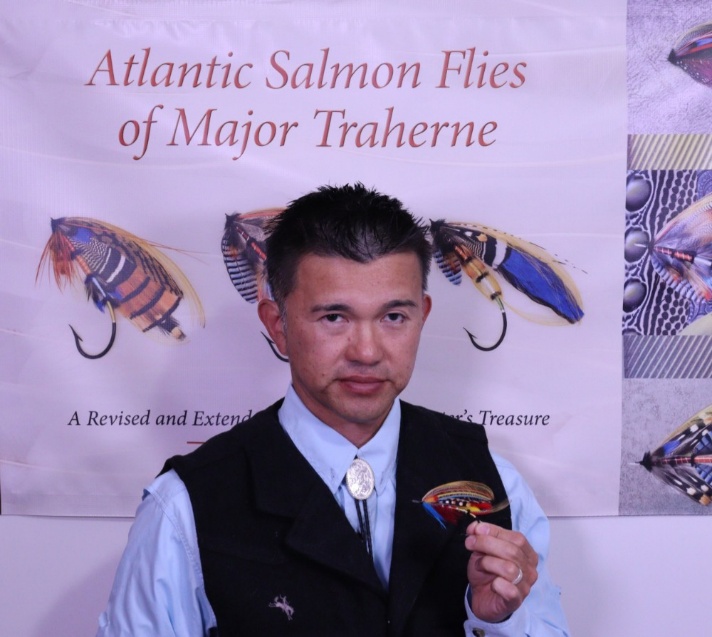 I’ve been a fly-fishing outfitter for nearly two decades in Livingston, Montana, just outside Yellowstone National Park. Among the many outstanding fisheries in the area, the challenges and technical nuances of the spring creeks—often compared to British chalk streams—are my specialty and personal favourite.
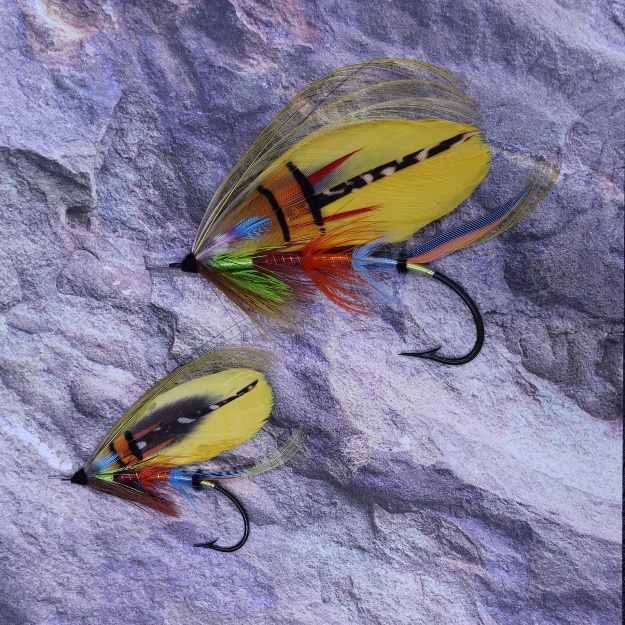
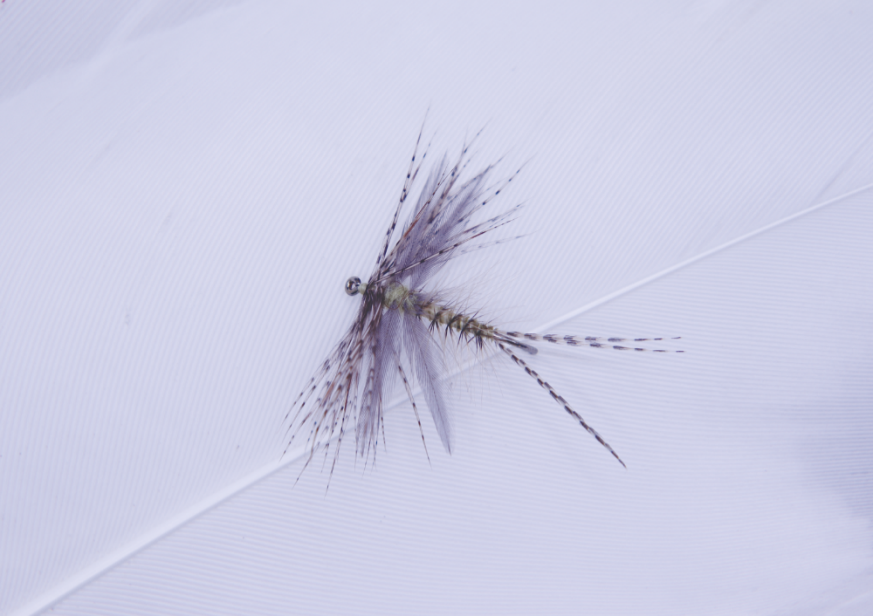
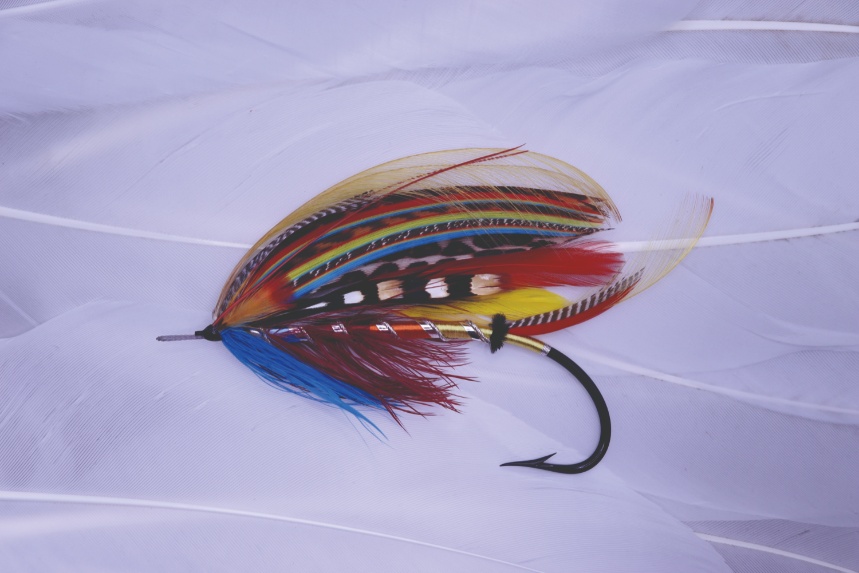
Over the years, I’ve developed numerous original patterns tailored to local insect hatches and stream conditions, tying hundreds of trout flies each season to support my guiding work. As my career progressed, I eventually reached a plateau in terms of creativity and technical growth. That was when I discovered the intricate world of classic Atlantic salmon flies—a turning point that reignited my passion and challenged me to refine my fly-tying skills to a new level.
Fly dressing has since become an integral part of my life. I guide clients through the summer months and devote much of the winter to dressing classic salmon flies. Along the way, I have had the privilege of meeting and learning from world-class fly dressers and artists whose knowledge, craftsmanship, and encouragement have profoundly influenced my own work.
After dressing and framing every fly illustrated in George Kelson’s The Salmon Fly, my attention turned to the elegant and historically significant patterns of Major John Traherne. What initially began as an effort to collect recipes from scattered sources gradually developed into a serious, multi-year research project. That work culminated in my self-published book, Past Master’s Treasure, which was subsequently revised and expanded as Atlantic Salmon Flies of Major Traherne, published by Coch-y-Bonddu Books.
Today, my ambition extends beyond simply dressing these historic patterns. I hope to visit the countries and regions where these remarkable traditions originated and to present my salmon flies in the places that gave birth to them. Ultimately, I would like to share this work with audiences around the world, while contributing in my own small way to the preservation, appreciation, and continued evolution of the art of classic Atlantic salmon fly dressing.